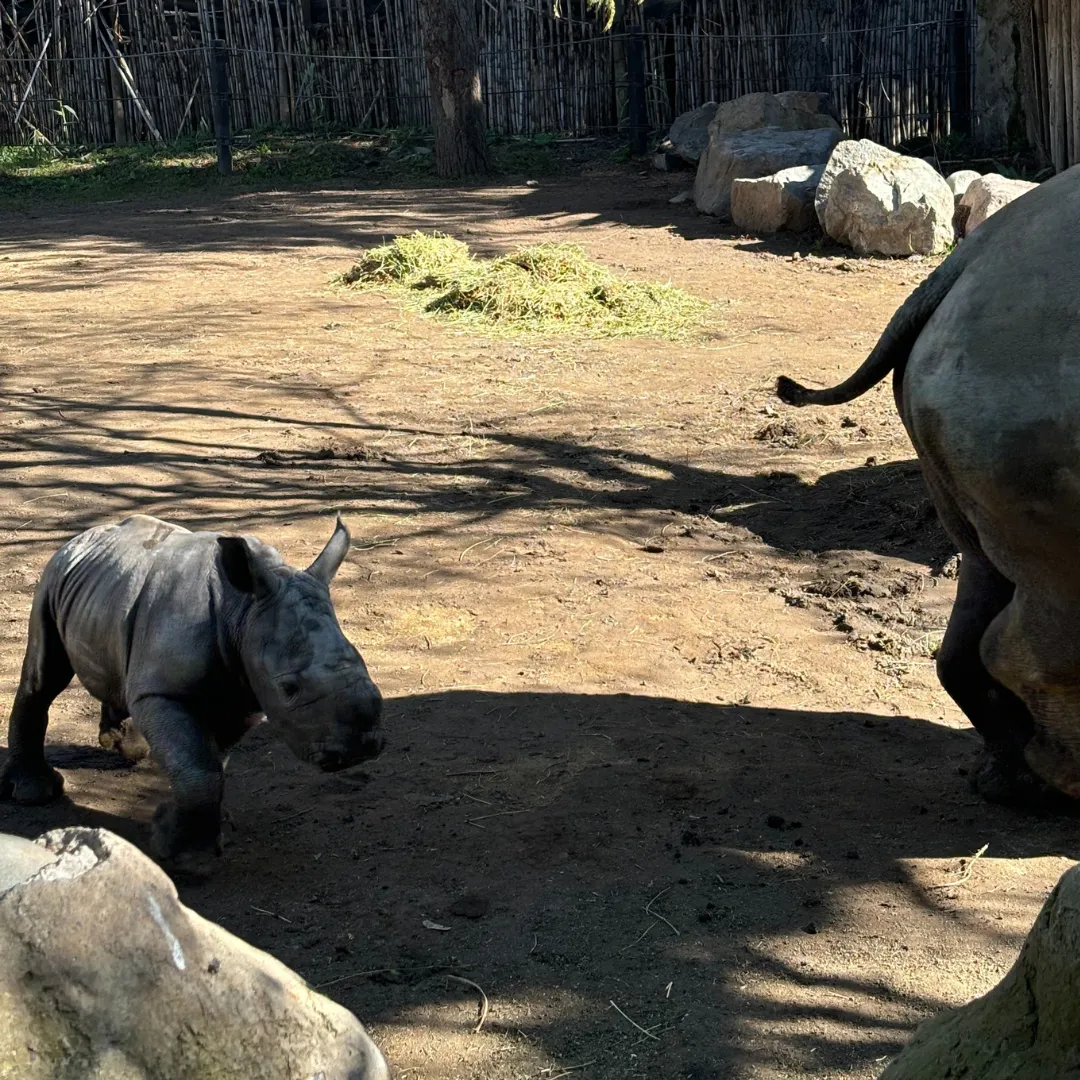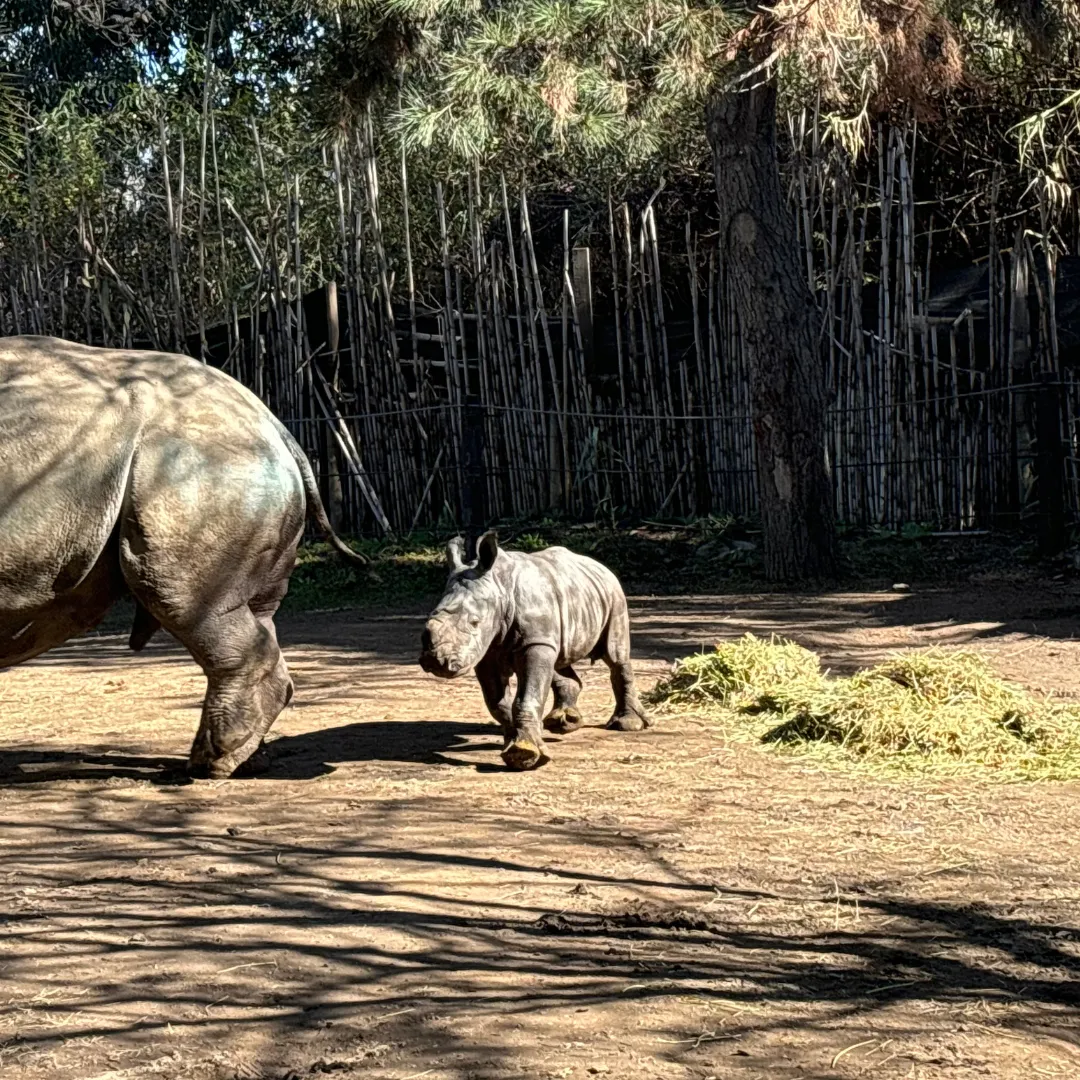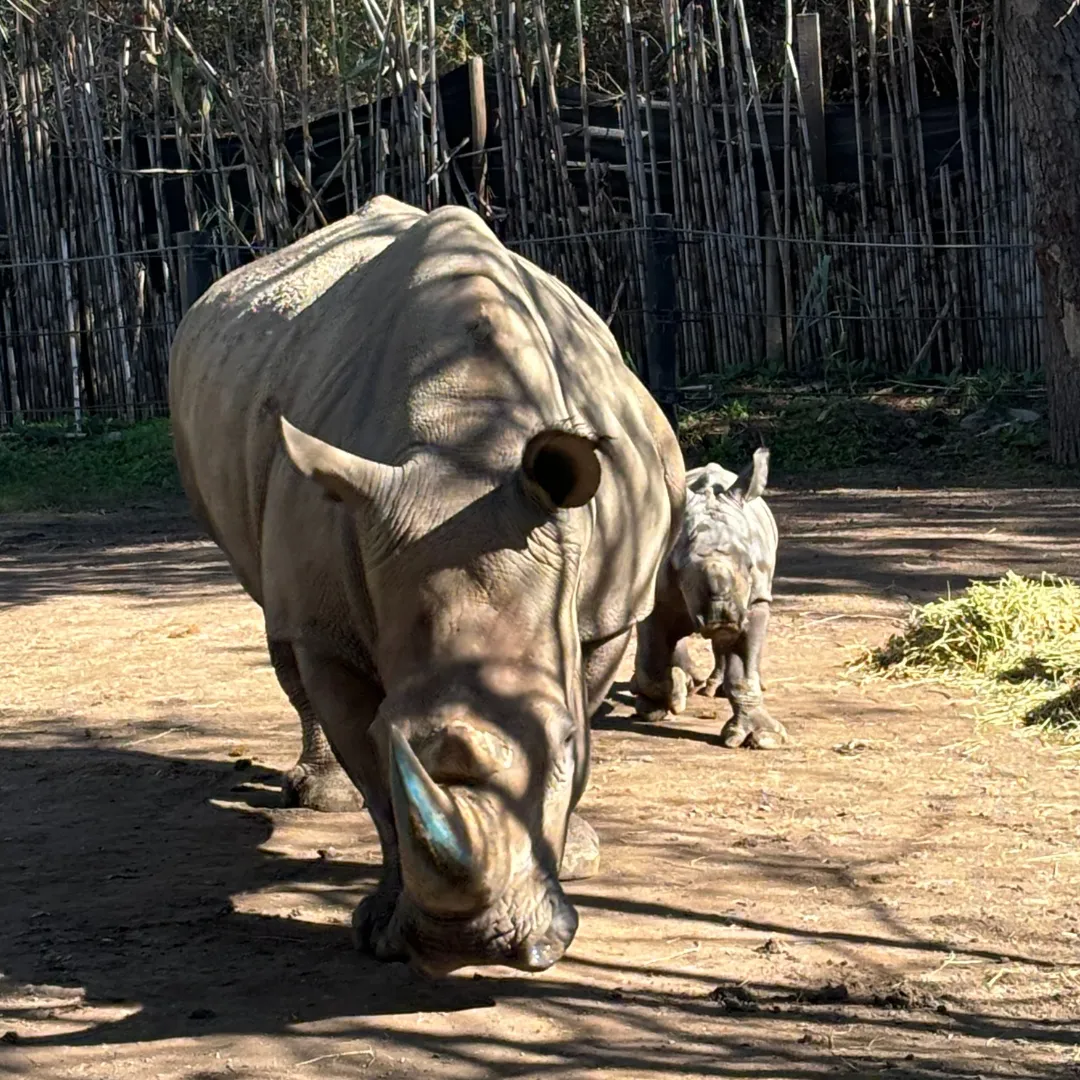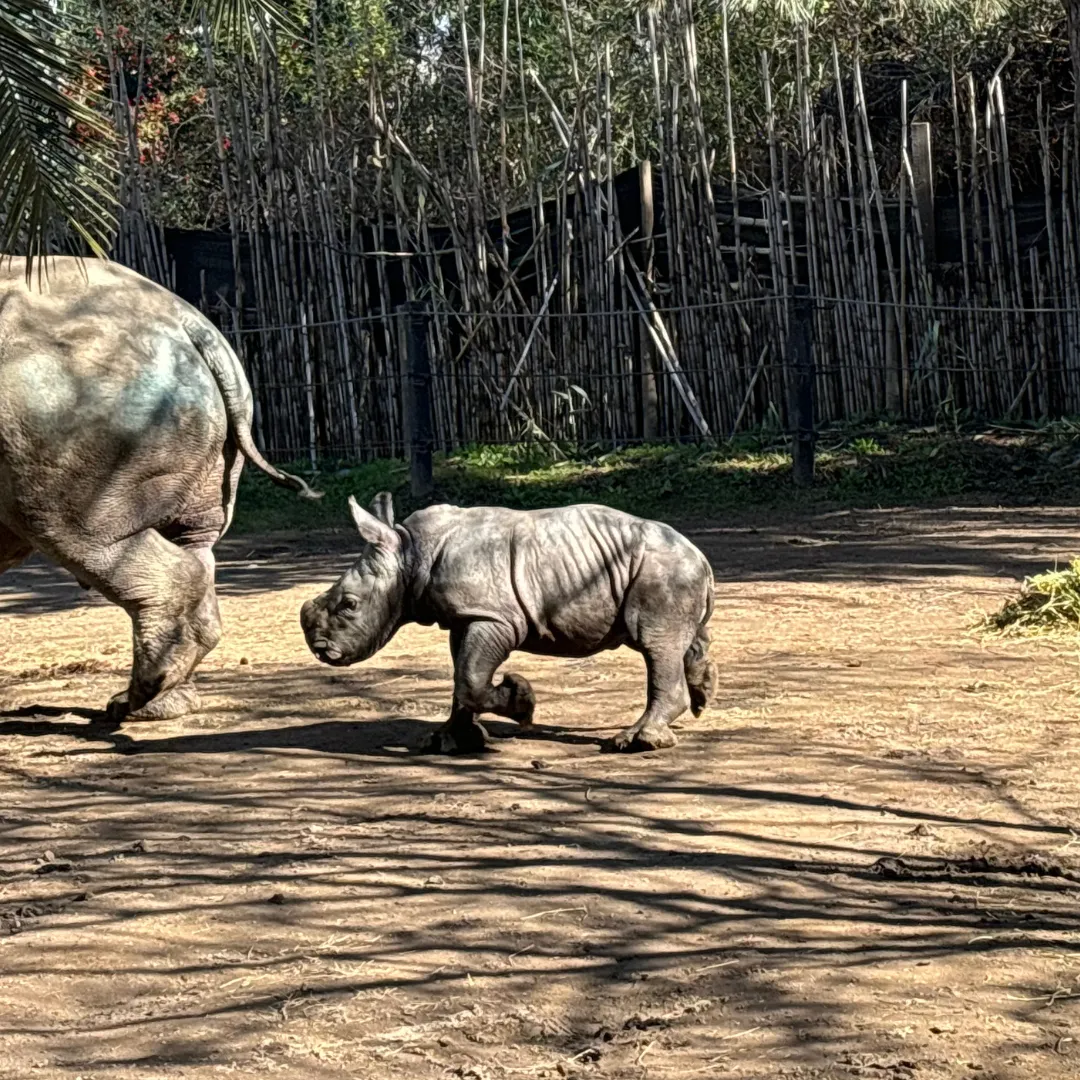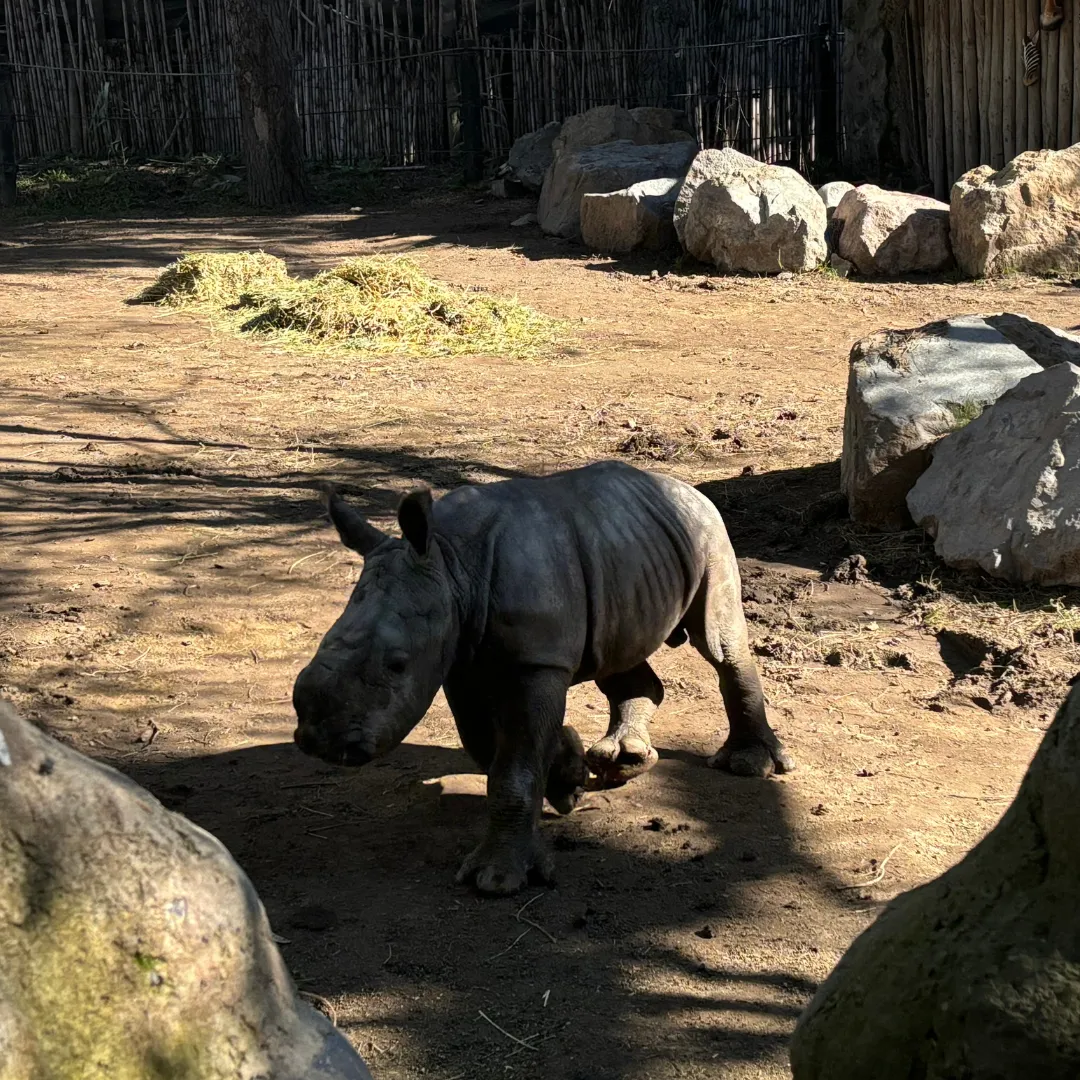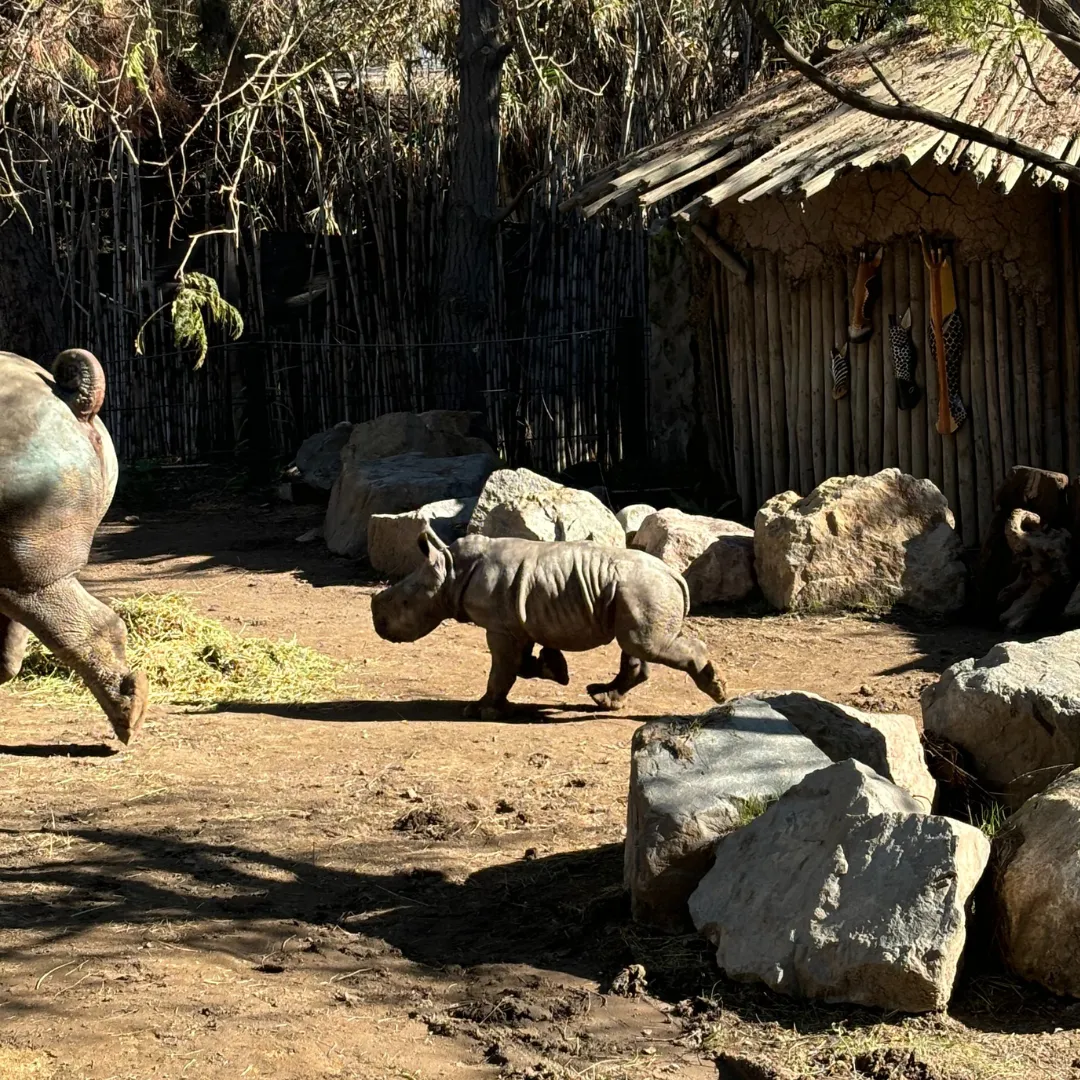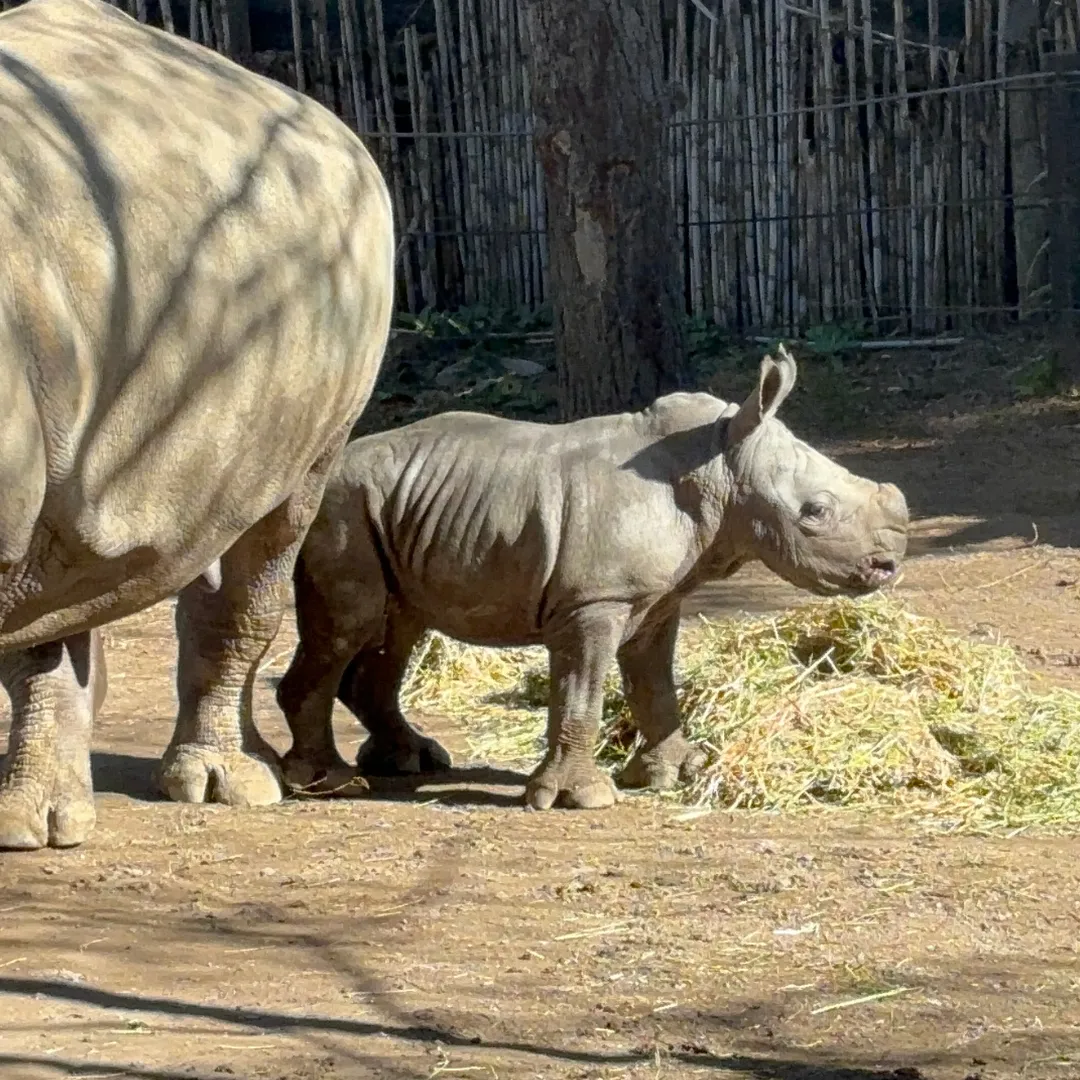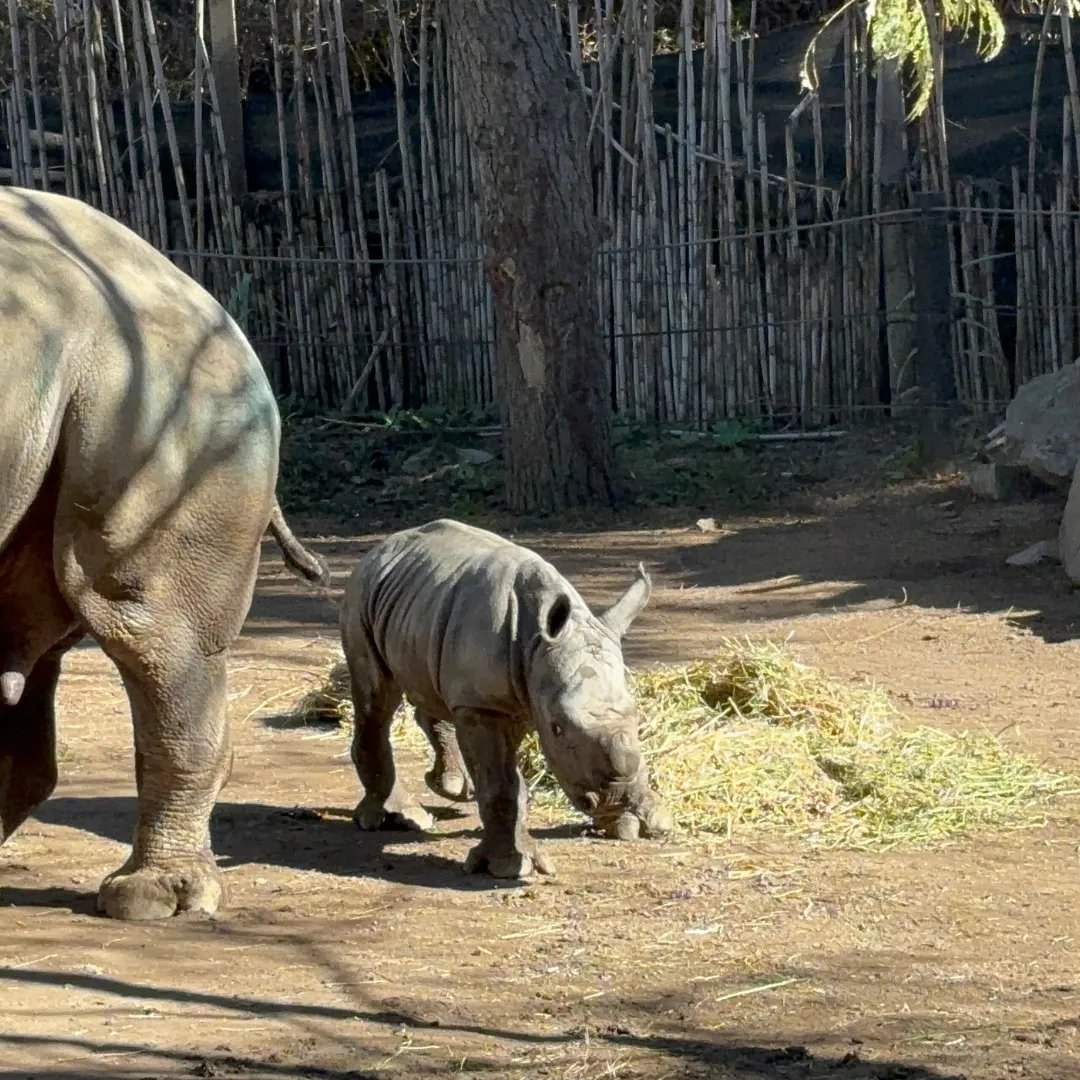
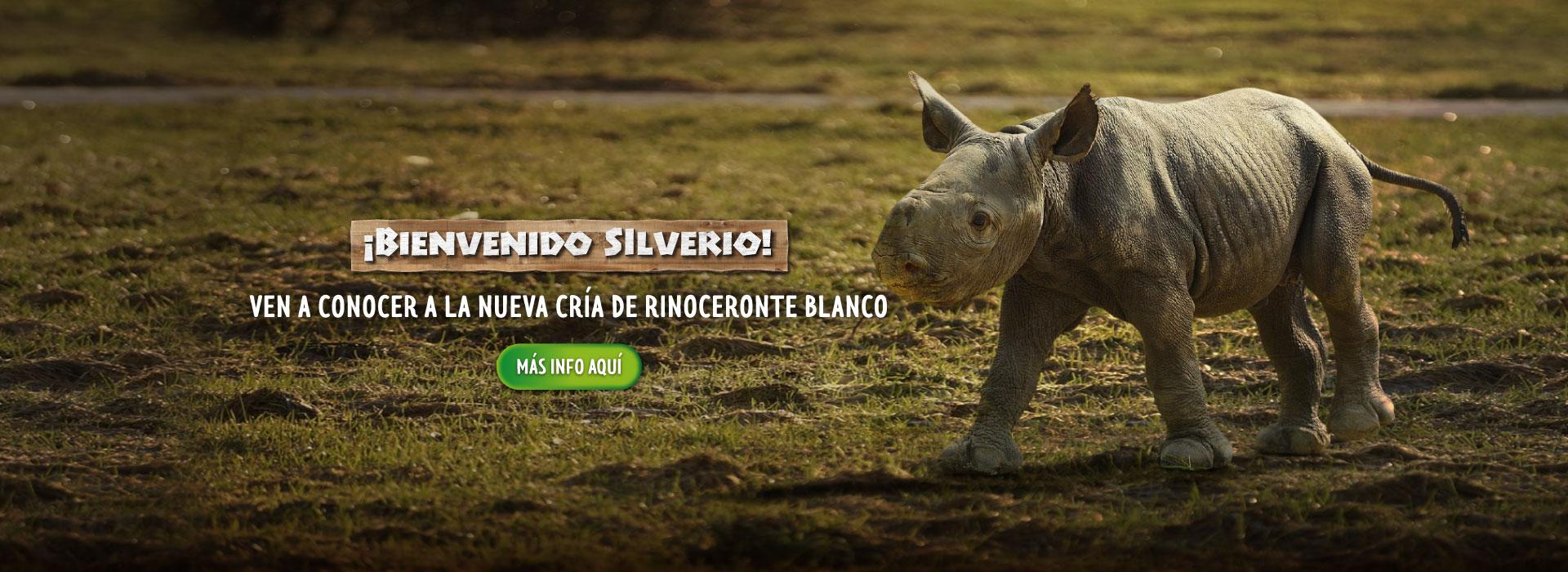
In the early morning of Thursday, June 20, at 4:43 a.m., a new calf of White Rhinoceros (Ceratotherium simum) was born in. Buin Zoo The delivery, which lasted about 4 hours, was supervised at all times by the veterinary team. Hannah, the mother, completed a gestation period of 517 days, giving rise to the third White Rhinoceros born in the most important zoo in Chile.
Oliver and Hannah, the adult specimens of the zoo, have brought to the world an animal with many peculiarities: it is the third birth in Buin Zoo and the third in all of South America, since there are no records of successful reproductions of Rhinoceros under human care in this region.
“Silverio”, the name chosen after the Catholic saint’s day of delivery, is a baby weighing 74.3 kilos, completely healthy. He stood up 50 minutes after birth and had his first breastfeeding at 2 hours and 42 minutes of life, behaviors within normal ranges, which left the veterinary team very calm, who did not have to intervene in the process.
In the following days, good parenting behavior and a more natural maternal attitude have been observed on Hannah’s basis, based on her previous experiences. Oliver, the father, will stay away from the calf and mother for at least a month to give Hannah the necessary peace of mind in the first few days with Silverio.
From a scientific point of view, this birth is a significant contribution to the ex situ conservation of a species threatened with extinction. Currently, there are only 10,080 White Rhinoceroses left in the world, of which 808 are in zoos under human care. The mortality rate is alarming, with more than 1,000 individuals dying each year in wildlife, mainly due to indiscriminate hunting and habitat destruction.
According to the official Studbook of the species, only a maximum of 17 Rhinoceroses are born each year in zoos worldwide, and in the last 12 months, only 8 births were registered. The contribution of Buin Zoo is significant, since it is rare to reproduce Rhinoceroses with a single partner without the need for several males to stimulate competition. This success demonstrates the excellent welfare conditions in Buin Zoo.
The reproductive cycle of Rhinoceroses is long: after a gestation period of 18 months, a single calf is born, which the mother nurses for at least a year before being able to mate again. Thus, a pair of Rhinoceroses can give birth to only one specimen every 3-4 years.
The story of Oliver and Hannah Buin Zoo began in 2013, when they arrived from South Africa two years old. After reaching sexual maturity in 2015, Pantaleón was born in 2017, Athanasius in 2020, and now Silverio in 2024.
Those who wish to meet “Silverio” can do so during this winter vacation week. Buin Zoo will be open every day from 9:00 a.m. to 6:00 p.m., and tickets can be purchased at www.buinzoo.cl
Buy your tickets here and come and see it!
Gallery